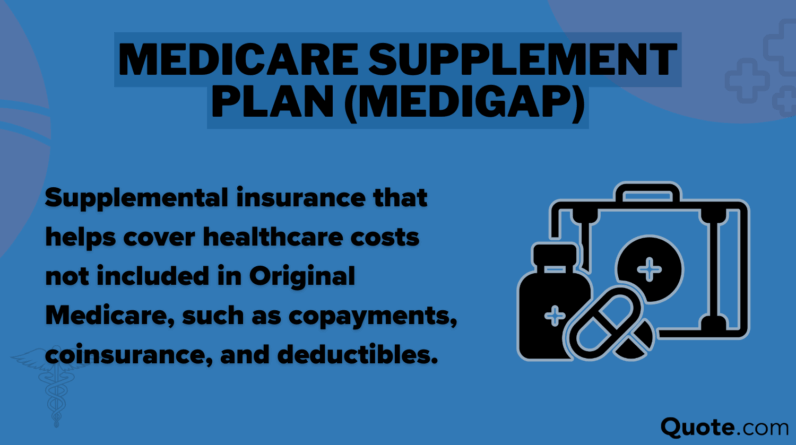
Medicare Supplement Insurance, better known as Medigap, fills the cracks in Original Medicare coverage.
Without it, hospital bills and outpatient costs can add up quickly.
In 2025, Medigap is still one of the most popular add-ons for retirees.
There are 10 standardized Medigap plans, labeled A through N. Each covers different gaps.
Plan G is now the most popular, covering nearly all out-of-pocket expenses except the Part B deductible.
Premiums for Medigap vary based on age, location, and insurer.
The peace of mind it offers is priceless, especially during unexpected hospital stays.
Unlike Advantage plans, Medigap doesn’t limit you to networks. Any provider that accepts Medicare is fair game.
Travelers love Medigap because some plans even cover international emergencies.
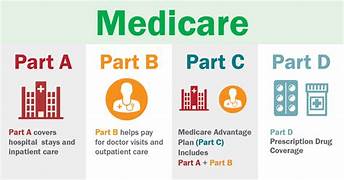
But Medigap doesn’t include prescription coverage—you’ll still need Part D.
Enrollment rules matter. The best time to buy is during your Medigap Open Enrollment, right after you enroll in Part B.
After that, insurers can deny you or charge higher rates based on health conditions.
Medigap is ideal for those who value predictability in medical expenses.
High-deductible versions exist, trading lower premiums for higher out-of-pocket costs.
Comparing plans yearly ensures you’re not overpaying.
Some retirees skip Medigap to save money, but they risk massive bills down the road.
Medigap is a long-term investment in financial security.
If you can afford the premiums, it’s often worth it.
In 2025, as costs rise, Medigap remains one of the smartest protections.
Final thought: Medigap isn’t mandatory, but for peace of mind, it’s a game-changer.