
Choosing between Medicare Advantage and Original Medicare is one of the biggest financial decisions you’ll make in retirement.
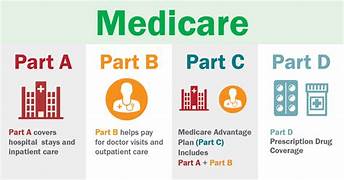
Original Medicare is straightforward: Part A covers hospitals, Part B covers doctors, and you can add Part D for prescriptions.
Medicare Advantage, on the other hand, is a bundled plan from private insurers. It usually combines A, B, and D—and sometimes extras.
Cost is the first factor. Advantage often looks cheaper, but hidden copays can surprise you.
Original Medicare has no out-of-pocket maximum. Advantage does, making it safer for big medical expenses.
If you value flexibility, Original Medicare lets you see any doctor nationwide. No networks, no restrictions.
Advantage plans restrict you to in-network providers, which can be limiting if you travel frequently.
Original Medicare doesn’t cover dental, vision, or hearing. Advantage often does, but coverage varies.
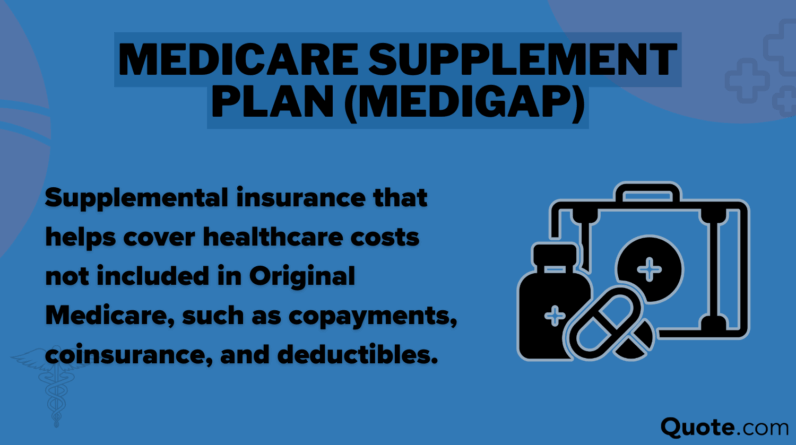
Medigap policies pair beautifully with Original Medicare, filling in cost gaps. Advantage doesn’t allow Medigap.
Drug coverage is optional in Original Medicare but usually included in Advantage.
Preventive care is included in both, but Advantage may offer wellness perks like gym memberships.
Costs in Advantage plans are predictable thanks to annual spending caps.
With Original Medicare, catastrophic illnesses could drain your savings without supplemental coverage.
Enrollment timing is key. Both options are available during Open Enrollment, but switching can have restrictions.
For tech-savvy seniors, Advantage offers more telehealth benefits in 2025.
If you have chronic conditions, look closely at how each plan manages ongoing care.
Original Medicare is simpler if you travel, while Advantage is great for people who stay local.
Lifestyle, budget, and health needs should guide your decision—not marketing brochures.
Experts recommend reviewing both options every year because plan costs and benefits change.
Bottom line: the right choice depends on you. Run the numbers and compare networks before deciding.