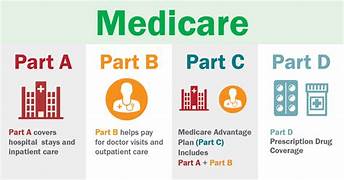
Prescription drugs are one of the biggest expenses for retirees. Medicare Part D is designed to help, but it’s far from perfect.
In 2025, drug prices continue to rise, making smart choices more important than ever.
Part D plans are not all equal—each has its own list of covered drugs, called a formulary.
Always check if your prescriptions are included before enrolling.
Monthly premiums for Part D vary, with some as low as $10 and others over $100.
Deductibles also differ. Some plans require you to pay hundreds before coverage kicks in.
The “donut hole” coverage gap has mostly closed, but out-of-pocket costs still exist.
Once you hit catastrophic coverage, your share of costs drops significantly.
Using generic drugs is one of the fastest ways to save money.
Mail-order pharmacies often offer better deals on maintenance medications.
Pharmacy networks matter. Out-of-network purchases can cost double.
The Extra Help program reduces costs for low-income seniors.
Comparing plans annually ensures you’re not overpaying for your prescriptions.
Some Advantage plans bundle drug coverage, saving you money.
If you take few or no prescriptions, choose a low-cost plan to avoid penalties.
Skipping Part D entirely is risky—you’ll pay penalties for life.
Check with your doctor about cheaper alternatives or therapeutic substitutions.
Keep track of all your prescriptions and costs; this helps when reviewing plans each year.
Seniors who actively manage their drug coverage save thousands annually.
In 2025, smart planning—not luck—is the key to controlling prescription drug costs.